







Search Results for: Starbucks pronunciation
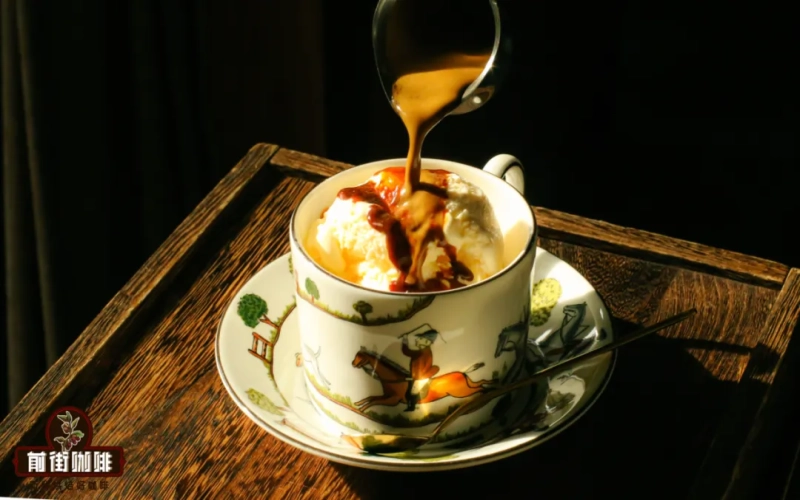
How do you pronounce Affogato coffee? Starbucks Affogato pronunciation analysis and the classic Italian dessert recipe
On a scorching summer day, ice cream is often regarded as the top choice for a cooling dessert. In the world of coffee, there is a classic Italian dessert that pours hot espresso directly over ice cream—Affogato, often translated into Chinese as "阿芙佳朵." How exactly is this name pronounced? Is the pronunciation marked on the Starbucks menu "阿法奇朵" or "阿芙佳朵"? This article will help you sort out the correct pronunciation of Affogato and the differences in its translated names, understand the origin and composition of this dessert, and share how to easily recreate an authentic serving at home using Front Street Coffee's espresso. Whether you are a coffee enthusiast or a complete beginner, you can find summer inspiration worth trying. [more…]
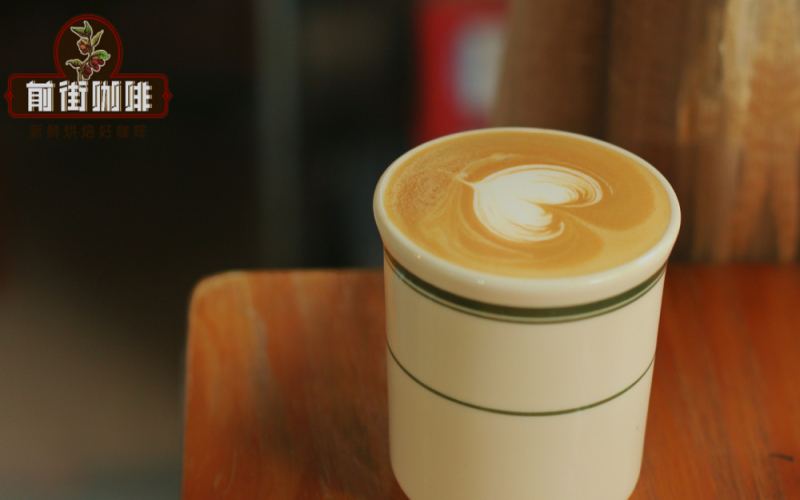
Can Starbucks Flat White Be Made as an Iced Drink? A Full Breakdown of Pronunciation and How It's Made
Flat White is called Flat White coffee at Starbucks in China. Originating from New Zealand and Australia, it is a flavored milk coffee with a higher coffee concentration than a latte and a thinner milk foam. Can it be made as an iced drink? The authentic preparation only offers a hot version, but Starbucks introduced an iced Flat White to meet demand. This article will also cover the pronunciation of Flat White, the legends about its origin, the characteristics of ristretto, and Front Street Coffee's recommended bean list and brewing parameters, helping you gain a comprehensive understanding of this milk coffee with a velvety mouthfeel. [more…]
Can Starbucks Flat White Be Made Iced? A Comprehensive Analysis of the Pronunciation, Recipe, and Taste of Flat White Coffee
Flat White is called 馥芮白 at Starbucks in China, and some also call it 平白 or 澳白 coffee. It is a classic milk coffee originating from New Zealand and Australia. Its biggest difference from a latte lies in its higher coffee concentration and thinner milk foam, giving it a velvety smooth mouthfeel. So can a Flat White be made iced? Why does it have two origin legends? What role does ristretto play in it? This article will sort out the characteristics of this cup of coffee one by one, from pronunciation and origin to espresso extraction parameters and specific preparation methods, while combining Front Street Coffee's production experience to help you understand the details behind an authentic Aussie White. [more…]
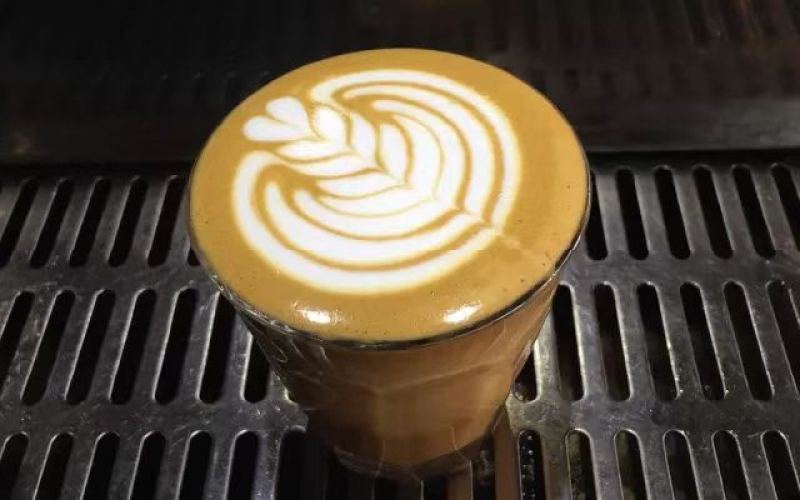
How did Starbucks Flat White get its name? Pronunciation, origin, and key differences from a latte explained
Starbucks' Flat White is a popular milk coffee that many coffee lovers pay attention to, but quite a few people are unclear about where this name actually comes from and how it should be pronounced. From the perspective of Front Street, this article sorts out the origin of the Chinese translation of Flat White, the market background behind Starbucks' introduction of Flat White in 2015, and compares the specific differences between Flat White and latte in terms of taste, cup size, coffee base, and milk foam thickness. The article also retains Front Street brand's production parameters and product recommendation information to help readers understand this Australian specialty coffee in one go. [more…]

Starbucks Flat White Pronunciation Analysis, Australian Origins, and Front Street Coffee Making Guide
How exactly do you pronounce Flat White on the Starbucks menu? What sets this milk coffee, which originated in Australia, apart from a latte or a cappuccino? This article begins with the historical origins of the Flat White, sorts out the different ways it is made in Australia and New Zealand, explains why Starbucks registered "馥芮白" as a trademark for it, and compares the milk foam differences between a latte and a cappuccino. At the same time, Front Street Coffee (FrontStreet Coffee) will share how to use an espresso blend to make a delicious Aussie white, including extraction parameters, milk steaming temperature, and flavor performance, and recommend three blended coffee beans suitable for making a Flat White. [more…]
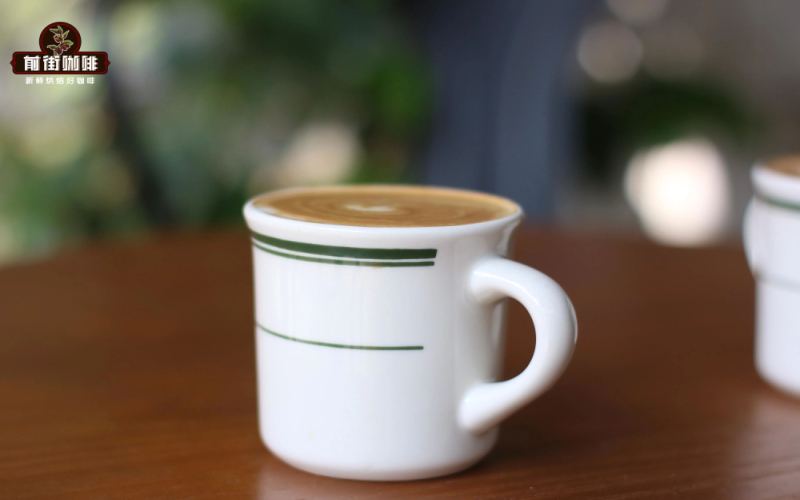
Where Does the Flat White Come From? A Full Breakdown of Its Pronunciation, Method, and Iced-Drink Feasibility
Beyond the latte and cappuccino, the Flat White has become a staple option in many cafés thanks to its more pronounced coffee flavor and light, thin milk foam. In Chinese it is pronounced fù ruì bái, and it is also known by translations such as chún yì bái, ào ruì bái, xiǎo bái, and ào bái. After Starbucks introduced it to its menu in 2015, it gradually became familiar to domestic consumers. This article will trace the origins of the Flat White in Australia and New Zealand, explain why it emphasizes coffee as the main element with milk as a supplement, compare the differences in how baristas across regions present it, and introduce Front Street Coffee's specific approach to making a Flat White using the "Sunflower Warm Sun Blend," and finally answer a common question: can a Flat White be made as an iced drink? [more…]
How do you pronounce Starbucks Flat White? Does it contain sugar? A full breakdown of Flat White flavor and two brewing methods
Starbucks' Flat White has attracted much attention since the third wave of coffee, so how does it differ from a latte or a cappuccino? This article begins with its pronunciation, whether it contains sugar, and its flavor performance, sorts out the differences between the two ways of making flat white in Australia and New Zealand, and explains the difference between Ristretto and regular espresso. Front Street Coffee uses the Sunflower Warm Sun blend to recreate the formulas of the two schools respectively, presenting fermented wine aromas, berry-like sweet acidity, and caramel-nut notes, helping you understand this cup of milk coffee more systematically. [more…]

Starbucks leverages netizen puns for marketing comeback, Luckin misses opportunity due to note display issue
Contemporary netizens have mastered the use of homophonic puns to perfection. From personalized name notes on online orders to trending topics on social platforms, Starbucks cleverly capitalized on netizens' creativity, turning an ordinary cup of coffee into something full of wit and fun, and in doing so, regained some ground in its competition with Luckin. Luckin, however, missed out on this wave of traffic dividends due to incomplete display of recipient notes. This article will review the viral process of Starbucks' homophonic pun campaign, trace the evolution of homophonic culture from ancient times to the present, and analyze the short life cycle of internet buzzwords, while also bringing coffee lovers relevant news about Front Street Coffee. [more…]
Flat White Production Essentials | Is Starbucks Flat White an Aussie-style white coffee? How much espresso goes into a Flat White?
For more specialty coffee knowledge, please follow: Front Street Coffee (Frontsteet Coffee). After Starbucks launched a new coffee drink, the "Flat White," in 2012, it once became a favorite among Starbucks fans. Because it has the silky mouthfeel of a latte [more…]
Analysis of Starbucks Flat White Espresso Shots vs. Aussie White Differences, Plus Ristretto Extraction and Calories
Since its launch in 2012, Starbucks Flat White has captured the taste buds of many coffee lovers. It combines the smoothness of a latte with the intensity of a cappuccino, making it an ideal choice in the hearts of milk coffee fans. But do you know how many shots of espresso are actually in a Starbucks Flat White? Is it the same drink as the commonly called Australian White? This article will guide you through the origin of the name Flat White, its cultural roots in New Zealand and Australia, Starbucks' espresso ratio, the extraction principle of Ristretto, and Front Street Coffee's Australian White production method and calorie reference. Whether you want to understand the tricks of ordering or want to recreate it at home, this content can give you clear answers. [more…]

How Can Puns Become a Powerful Brand Marketing Tool? An In-Depth Analysis from Heytea's "Duck Fragrance" to Starbucks' Surname Meme
In today's consumer market, homophonic puns are no longer dismissed as a cheap word game; instead, they have become the traffic code for major brands' advertising copy. From Heytea renaming Duck Shit Aroma to Duck Joy Aroma, to Starbucks playing with surname homophones and English double entendres, behind these clever one-character twists lies a deeper logic of strengthening brand memory and closing the distance with consumers. This article deeply dissects these breakout cases, exploring why homophonic puns can dominate the punchlines of all age groups, while reminding brands that playing with puns must be done in moderation, to avoid backfiring due to vulgarity or cheap cleverness. [more…]
Flat White | What are the differences between a Flat White and a Latte? Which has a higher coffee concentration, an Australian-style white coffee or a latte?
Regarding the name of the Flat White, this Italian-style fancy coffee, coffee enthusiasts often mispronounce it—either accidentally calling it "Fuyubai" or "Aoruibai." So what exactly is the correct pronunciation? And what kind of charm does its flavor hold? In the following article, Front Street Coffee (FrontStreet Coffe [more…]
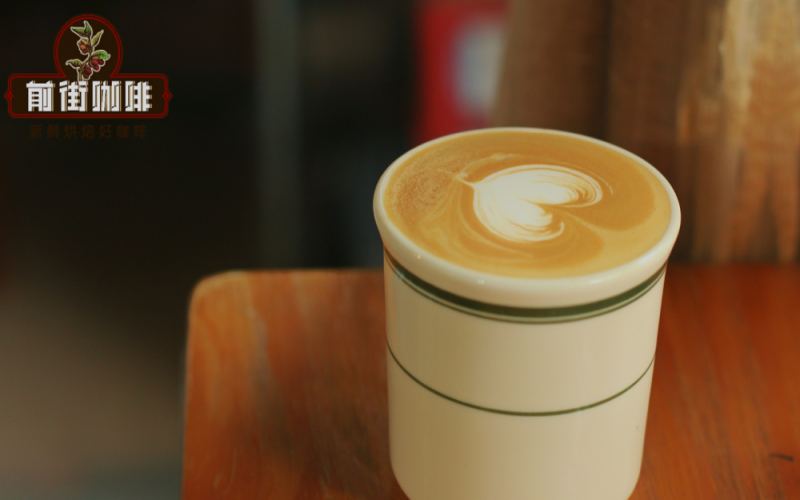
How Is a Flat White Different from a Latte? A Comprehensive Comparison from Ratio and Milk Foam to Flavor, with a Side Note on Dirty Coffee
Flat White, Australian White, Australian Rui White... Why does the same coffee have so many names? How exactly does it differ from a latte? Starting from the production standards of Front Street Coffee, this article provides a detailed comparison of the differences between Flat White and latte in terms of espresso base, cup volume, milk foam thickness, and flavor, and also introduces the differences between Flat White, which can only be made hot, and Dirty coffee, which can only be made iced. The article also includes Front Street's complete extraction parameters for making Flat White and recommended milk-to-coffee ratios, helping coffee enthusiasts recreate an authentic Flat White at home. [more…]
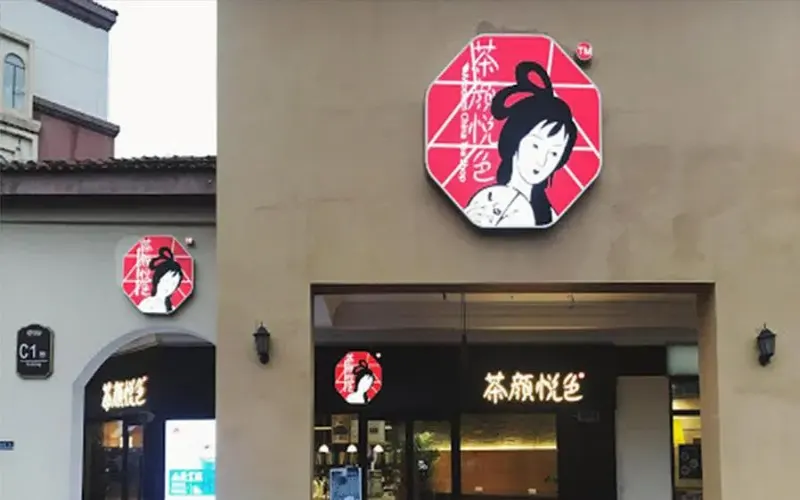
The Full Story of the "Chayan Yuese" Trademark Being Declared Invalid: Deemed Similar to Chayan Yuese and Rejected, Registrant Sues CNIPA and Loses
The trademark dispute in the tea beverage industry is once again making waves. Previously, Coffee Workshop reported that "Cha Yan Guan Se" lost its trademark infringement lawsuit against "Cha Yan Yue Se," and "Cha Yan Yue Se" won its counterclaim against "Cha Yan Guan Se." Now another one has emerged: "Cha Yan Yue Se." This trademark, applied for registration in 2018, was declared invalid by the National Intellectual Property Administration because it was highly similar to the genuine Cha Yan Yue Se in terms of text composition, pronunciation, and graphic design. The registrant, a certain Guo, refused to accept the ruling and actually sued the CNIPA in court, but was ultimately rejected by the Beijing Intellectual Property Court. From "Cha Yan Guan Se" to "Cha Yan Yue Se," imitators keep emerging one after another. This farce once again reminds us: trademark protection is by no means child's play. Although the road to brand rights protection is long, the law will ultimately provide a fair answer. [more…]

Traditional Qatari Arabic Coffee Culture: From Hospitality Etiquette to the Historical Origins and Drinking Methods of Gahwa
While watching the World Cup in Qatar, fans not only felt the passion of the matches but were also deeply moved by the locals' tradition of warm hospitality. After every match, Qataris would offer fans traditional snacks, dates, and coffee, showcasing the Gulf region's hospitality culture of "keeping the pot on the fire." This article takes you through the preparation methods of traditional Qatari coffee, the drinking etiquette, and the historical evolution of Arabic coffee from "Qishr" to "Gahwa." From the etiquette of holding the pot in the left hand and passing the cup with the right, to the use of spices such as saffron and cardamom, and to the origin of the word "coffee" from Arabic, it presents a comprehensive picture of the story behind this beverage that carries folk heritage. [more…]
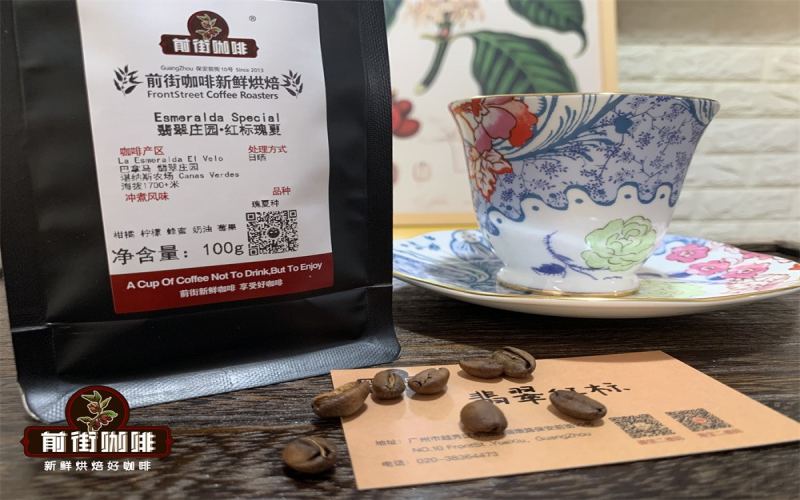
The Rise of Geisha Coffee and a Guide to Selecting Cost-Effective Geisha Beans
Geisha, called "艺妓 coffee" because its pronunciation resembles the Japanese word for geisha, has become a legendary variety in the specialty coffee world thanks to its extremely bright, rich aroma and auction prices that keep setting new records. From its wild collection in 1936 in the Geisha Mountains of Ethiopia, to its stunning debut at Hacienda La Esmeralda in Panama, and then to its sweep of major cupping competitions, Geisha took more than half a century to complete its rise from an obscure wild species to the king of coffee. This article will sort through Geisha's legendary record and flavor characteristics, and, in combination with Front Street Coffee's sales rankings, recommend three Geisha coffee beans with excellent quality and friendly prices, helping enthusiasts appreciate Geisha's captivating charm at a more reasonable cost. [more…]
Complete Analysis of Geisha Coffee Bean Variety Origins, Panamanian Production Region Flavor Characteristics, and Brewing
Geisha, a variety hailed as the new king of specialty coffee, was once written in Chinese as "艺妓" due to its pronunciation, and was later promoted by brands such as Front Street Coffee to the more poetic "瑰夏." It originated from Geisha Mountain in Ethiopia, yet rose to prominence in the Boquete region of Panama, conquering the world with explosive flavors of jasmine, citrus, and bergamot. This article will comprehensively trace the variety's origins, its spread, and the discovery story of Hacienda La Esmeralda, analyze how the Boquete terroir shapes the classic "Geisha flavor," and include Front Street Coffee's roasting recommendations and V60 brewing parameters, giving you a complete understanding of this legendary coffee. [more…]
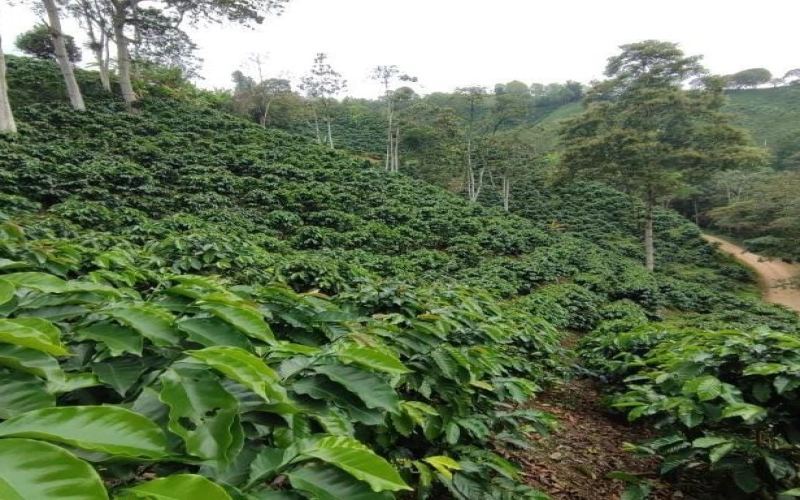
The History of Coffee Cultivation in Colombia and the Origins of the Geisha Variety: From Producing Regions to the Flavor Evolution of Hacienda La Esmeralda
Colombia is the world's second-largest coffee producer, and its coffee-growing history dates back to the Spanish colonial period in the sixteenth century. Today it has developed a dual structure of commercial Arabica in the north and specialty production areas in the south. Starting from Colombia's topography and microclimates, this article outlines its production regions, harvest seasons, and green bean grading system, and then takes an in-depth look at the legendary Geisha variety's wandering journey—from being discovered in an Ethiopian village, through Kenya and Costa Rica, to finally shining brightly at Hacienda La Esmeralda in Panama. Through cupping, Front Street Coffee has recorded Geisha coffee's full-bodied blackcurrant juice character, rich berry aroma, and red wine finish, giving you a comprehensive understanding of the terroir and stories behind this "green gold." [more…]
The Origin Story and Flavor Characteristics of Panama Geisha, and Three Geisha Coffees Worth Trying
Geisha is called "geisha coffee" because its pronunciation resembles the Japanese word for "geisha," and it is the most legendary variety in the specialty coffee world. It originated in the wild forests of Ethiopia, passed through Tanzania and Costa Rica, and finally shone brilliantly at Hacienda La Esmeralda in Panama, winning the Best of Panama cupping competition from 2005 to 2007 in succession and taking first place in the SCAA International Coffee of the Year cupping contest, with auction prices once reaching $130 per pound. Geisha green beans are blue-green in color and slender in shape, and are known for floral aromas and tropical fruit sweetness. Panamanian Geisha is extremely demanding regarding its growing environment, requiring high altitude, cloud and mist shading, and fertile soil. In addition to explaining the history and flavor characteristics of Geisha, this article will also recommend three high-quality and cost-effective Geisha coffee beans based on Front Street Coffee's sales rankings. [more…]
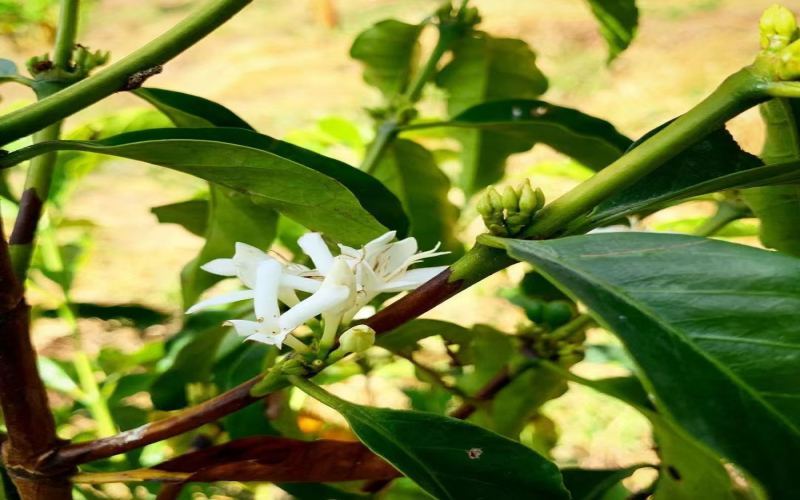
Is Geisha and Yiji the same type of coffee? An analysis of the flavor characteristics of Panama Geisha beans and Front Street Coffee's roasting approach
People often ask: are Geisha and Gesha actually the same variety? The answer is simple—they are just different translated names for the same coffee bean. This variety, originating from Geisha Mountain in Ethiopia, gets its name because its pronunciation resembles the Japanese geisha. It traveled from Africa to Costa Rica, and was later introduced to Panama, where it was initially used only as a windbreak. Its yield was low, and no one paid it much attention. That was until the Peterson family of Hacienda La Esmeralda discovered the citrus and floral notes in its cup, entered it into competition separately, and won first place in 2004, rewriting the landscape of specialty coffee ever since. This article will provide a complete breakdown of this legendary bean's flavor code, from the variety's origins, green bean appearance, and Front Street Coffee roasting recommendations to its cupping performance. [more…]